Among the many developments shaping the gaming industry in 2026, one stands out as especially transformative: Microsoft’s decision to expand its Xbox ecosystem beyond traditional platform boundaries. What began as a cautious experiment in previous years has now turned into a clear, confident strategy — bringing major Xbox titles to competing platforms and redefining what exclusivity means.
Breaking the old rules
For decades, the gaming business was built around a simple idea: exclusive games sell hardware. If you wanted to play certain titles, you had to own a specific console. But in 2026, that model is being quietly dismantled.
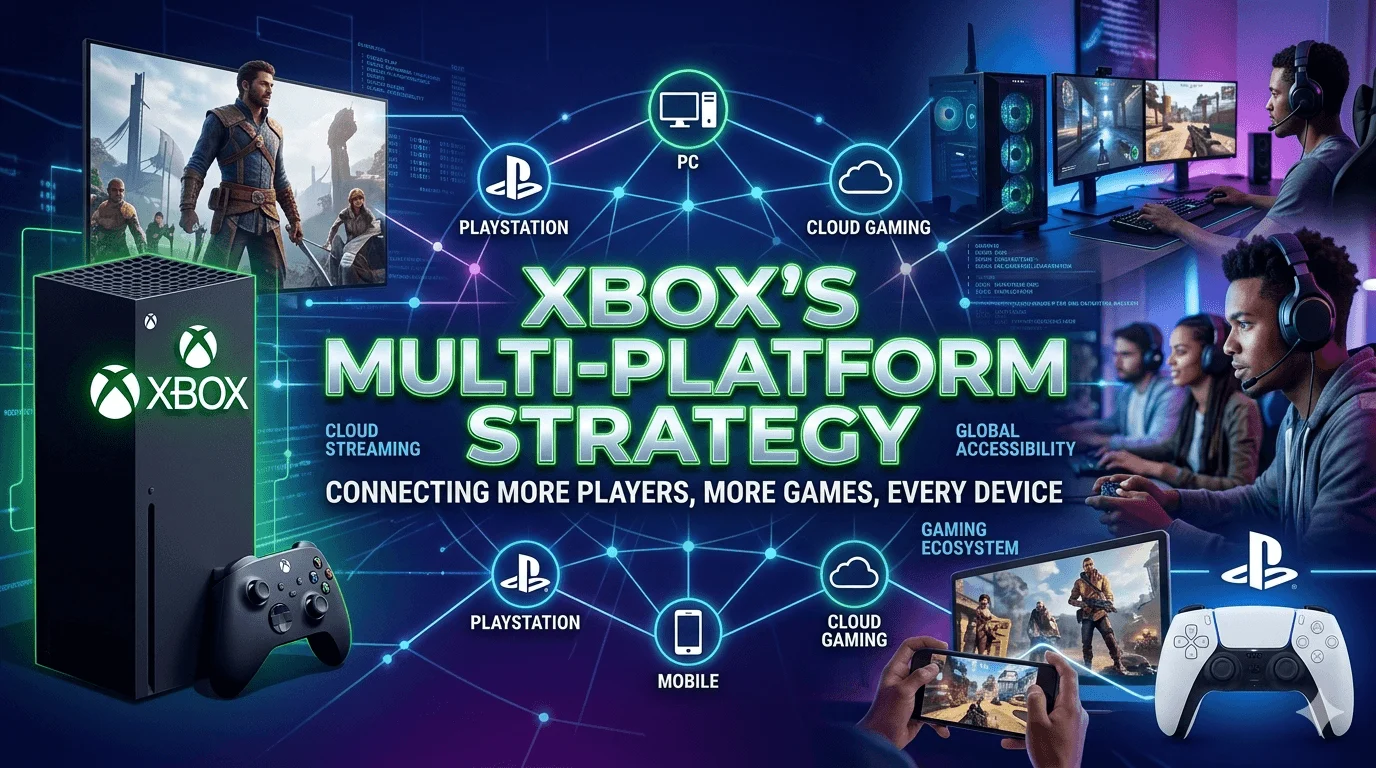
Microsoft’s approach is refreshingly different. Instead of locking players into one ecosystem, the company is focusing on access over ownership. Whether you’re playing on Xbox, PC, or even rival consoles, the goal is the same: keep players inside the Xbox network, not tied to a single box under the TV.
This shift is not just philosophical — it’s practical. As development costs rise, reaching a wider audience becomes less of a luxury and more of a necessity.
Game Pass at the center
At the heart of this transformation is Xbox Game Pass. Rather than relying solely on one-time purchases, Microsoft is doubling down on subscription-based gaming. The idea is simple: offer a large, constantly evolving library of games and make it accessible wherever players are.
In 2026, Game Pass feels less like a feature and more like the foundation of Xbox’s identity. It encourages players to try new genres, discover indie titles, and stay engaged long-term. For developers, it opens up new opportunities for visibility and consistent revenue streams.
Industry ripple effects
This strategy is already influencing competitors. Other major companies are beginning to reconsider their own stance on exclusivity, experimenting with broader releases and cross-platform integration. While not everyone is moving at the same pace, the direction is becoming clear: the walls between platforms are starting to come down.
For players, this is undeniably positive. More access means more choice, fewer barriers, and a healthier, more competitive market.
Not without risks
Of course, this approach isn’t without its challenges. By moving away from strict exclusivity, Microsoft risks weakening one of the traditional incentives for buying its hardware. There’s also the question of long-term profitability — subscription models require a constant flow of high-quality content to remain attractive.
Still, 2026 suggests that Microsoft is willing to take that risk. The company appears confident that engagement and ecosystem growth will ultimately outweigh hardware sales.
Final thoughts
The biggest story in gaming this year isn’t just about a single blockbuster title — it’s about a shift in how the entire industry operates. Microsoft’s multi-platform strategy signals a future where accessibility matters more than exclusivity, and where players are free to choose how and where they play.
If this trend continues, 2026 may be remembered as the year gaming truly began to move beyond hardware limitations — and into a more connected, player-first era.